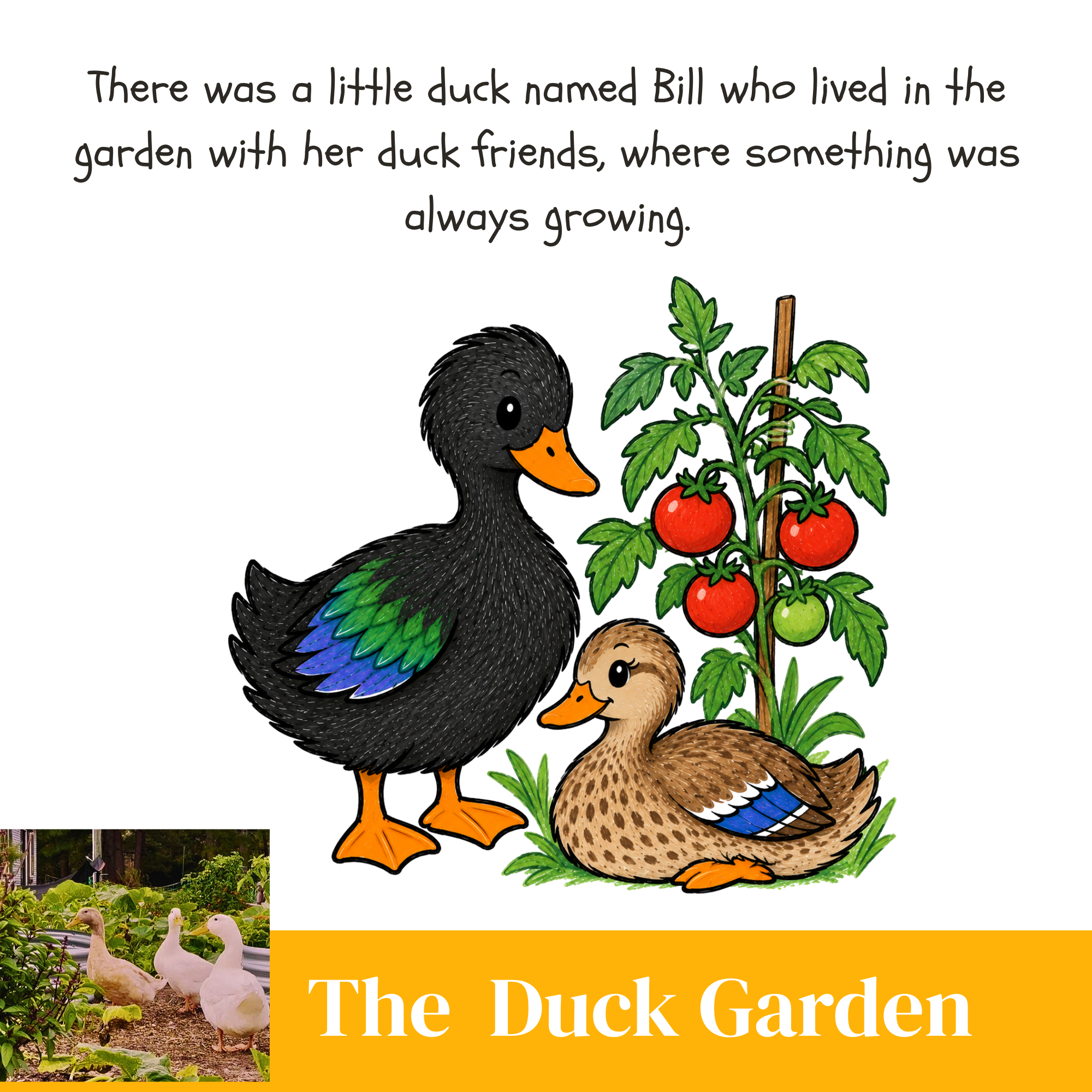
Welcome to the Duck Garden
There was a little duck named Bill who lived in the garden with her duck friends. In the Duck Garden, they explore what to plant, what’s growing, what’s ready to harvest, and simple ways to grow food while caring for the soil, wildlife, and the little ecosystem right outside our door.
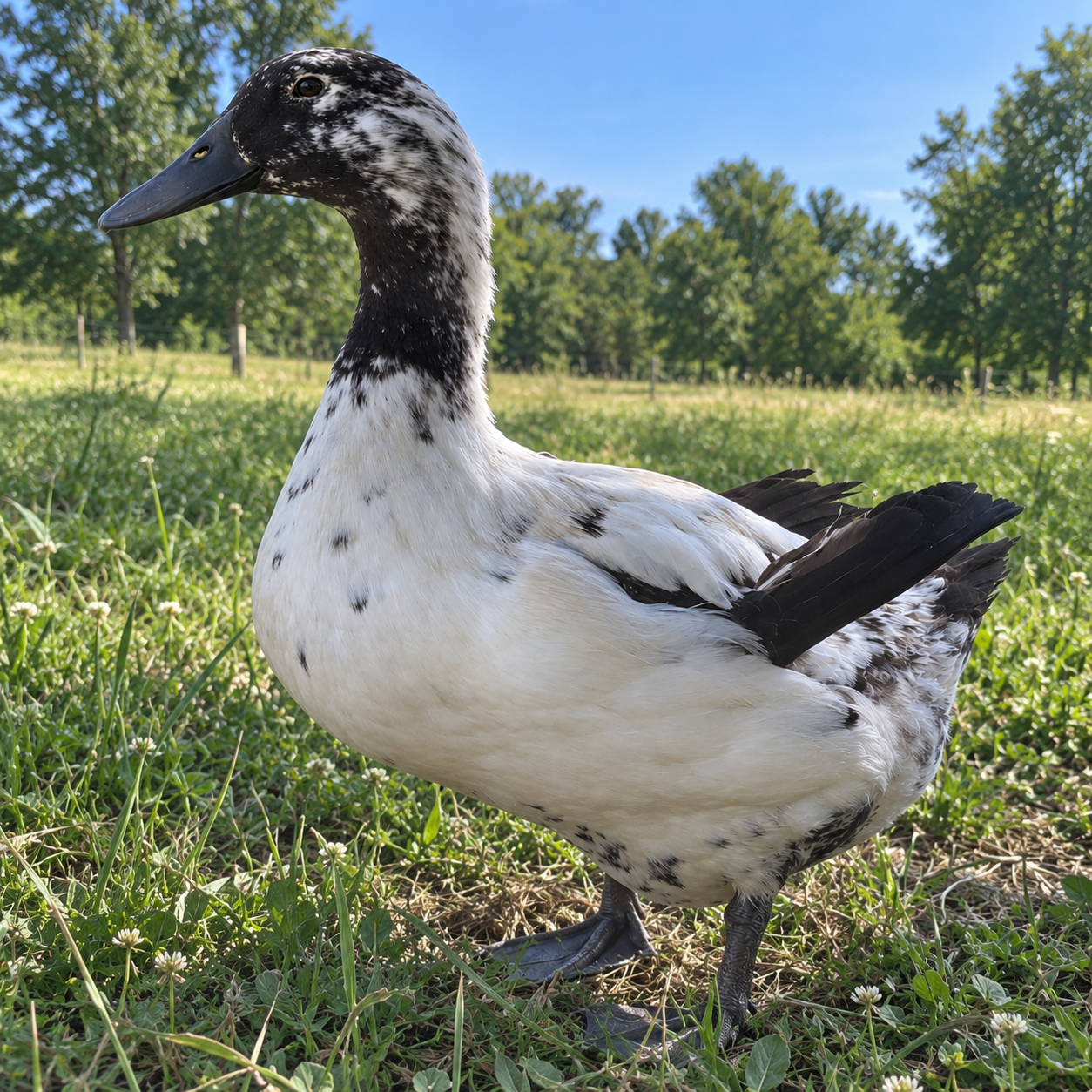
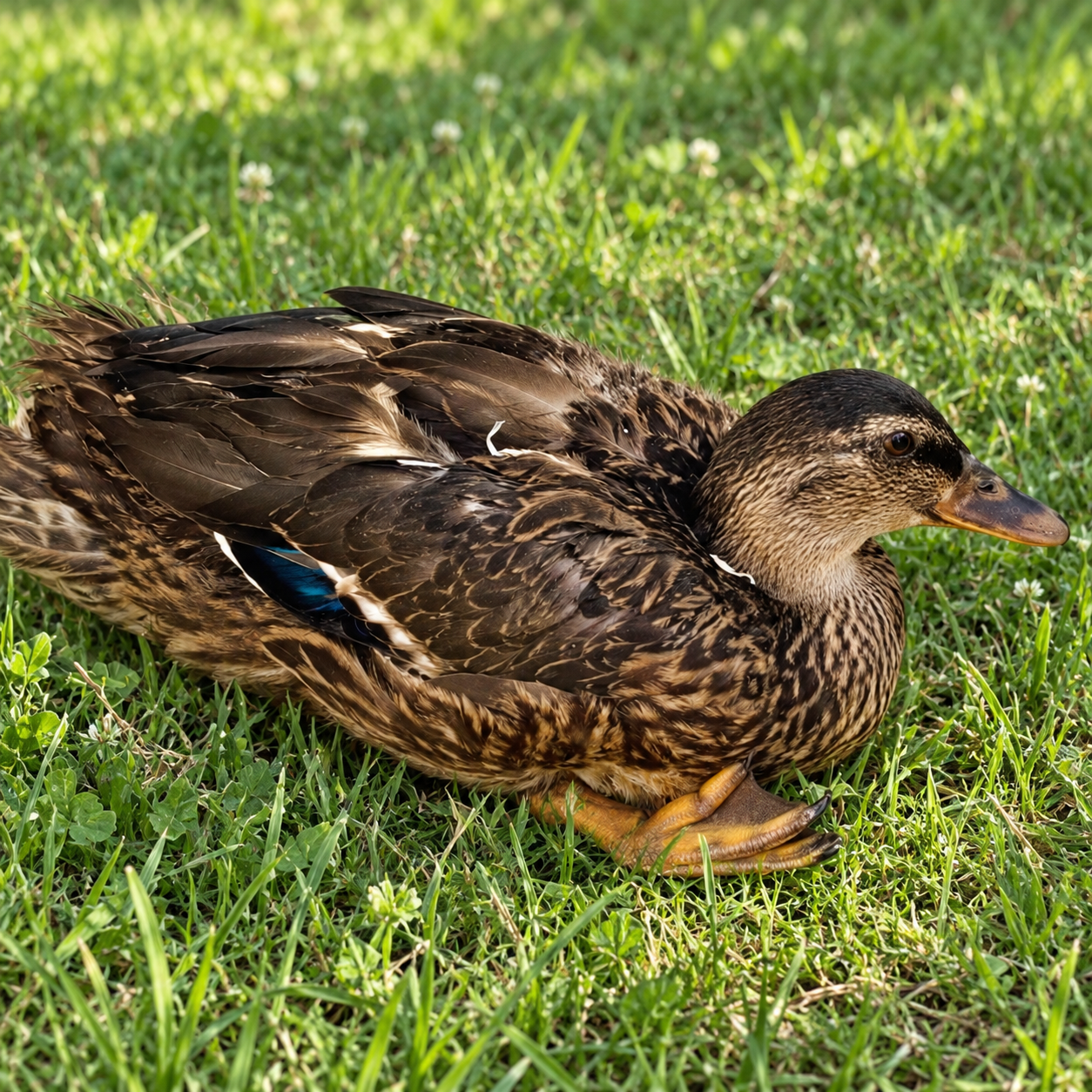
Betty Boop
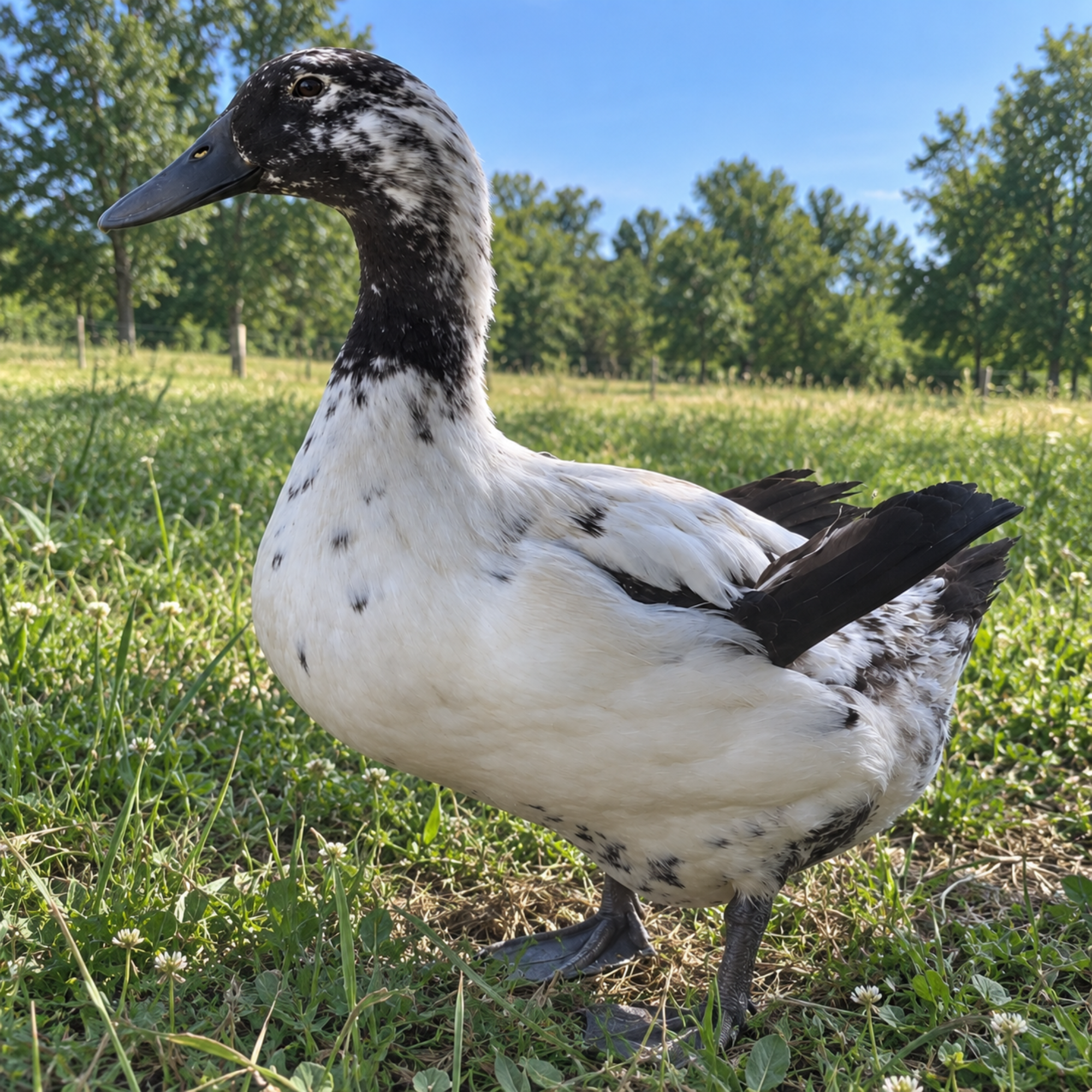
Irene
Bill
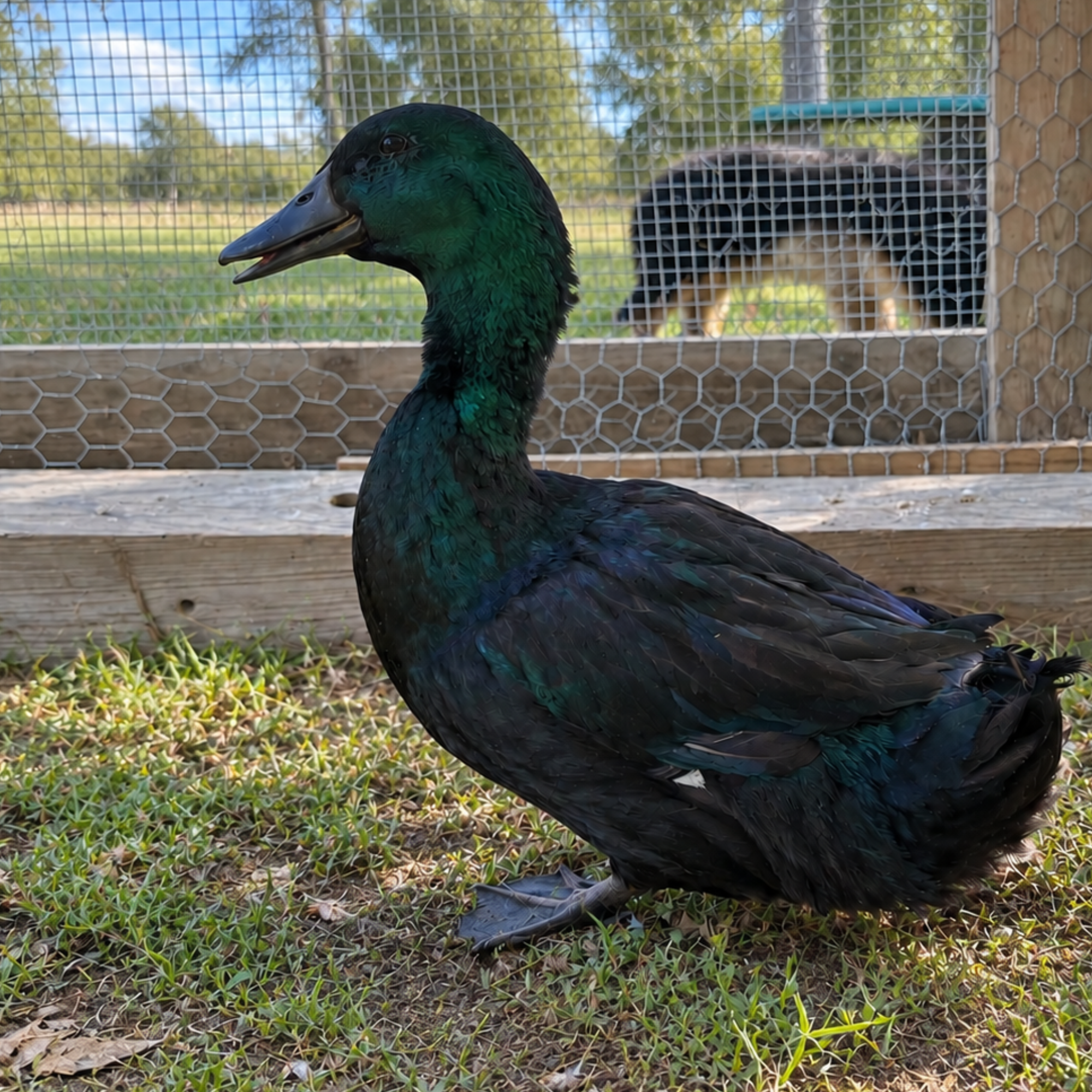
Othello
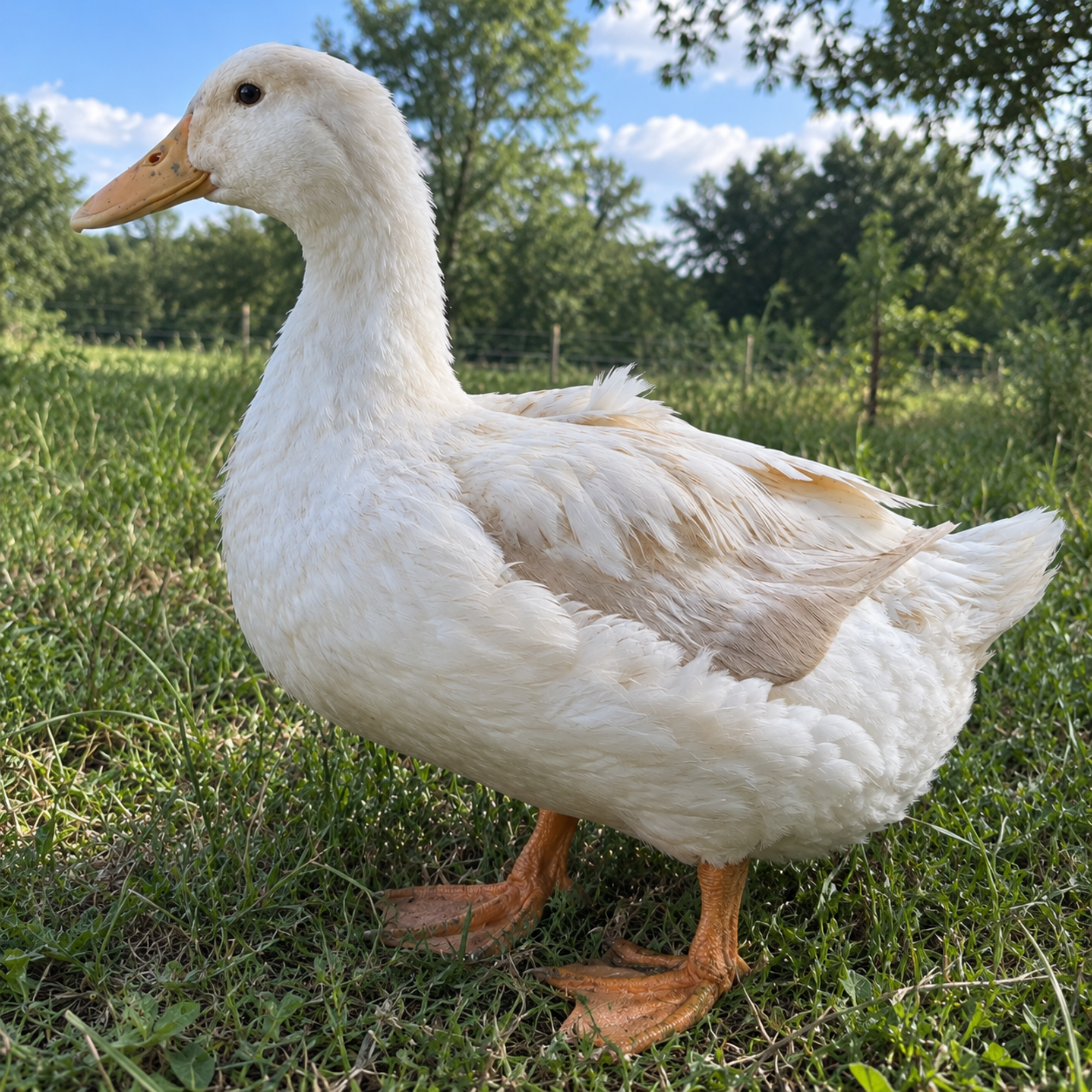
Ruth Stout

Irie
CARE & FEEDING OF DUCKS
Before You Bring Home a Duck
Ducks are funny, social, curious animals—but they are also wonderfully messy. Before bringing ducks home, it helps to understand that caring for them involves much more than a pond and a bag of bread.
FOOD & WATER
Ducks need a nutritionally complete feed appropriate for their age and plenty of fresh, clean drinking water. They need water deep enough to dunk their entire bills and clean their nostrils and eyes.
And skip the bread. Ducks do much better with balanced feed and appropriate treats such as leafy greens, peas, vegetables, and insects.
YES, THEY REALLY LOVE WATER
Ducks don't necessarily need a picturesque farm pond, but they do need regular access to water where they can splash, bathe, and keep themselves clean. A kiddie pool or other safe water source can work beautifully.
Just remember the first rule of duck ownership:
Clean water + ducks = dirty water approximately five minutes later.
Plan on changing and cleaning their water frequently.
HOME
Ducks need a secure, dry shelter for nighttime and protection from predators. Their housing should have good ventilation, clean bedding, shade during hot weather, and enough room for everyone to move comfortably.
Because ducks spend so much time around water, managing mud and keeping sleeping areas dry is an important part of their care.
HEALTH
Watch your ducks every day. Changes in walking, eating, drinking, breathing, swimming, feathers, droppings, or behavior can tell you something is wrong.
Ducks also need appropriate veterinary care when they are sick or injured. Their feet deserve particular attention because wet, dirty conditions can contribute to foot problems.
FRIENDS & ENRICHMENT
Ducks are social animals and generally shouldn't live alone. They communicate, forage, explore, bathe, nap, and travel around together.
Give them safe places to search for bugs, explore plants, splash in water, rest in the shade, and simply spend time being ducks.
A garden can provide wonderful enrichment—but remember that ducks don't understand the difference between “duck snack” and “tomato plant I have been carefully growing for three months.”
DUCKS IN THE GARDEN
With thoughtful management, ducks can be useful garden companions. They forage for insects and slugs, contribute manure, and happily investigate nearly everything growing around them.
But they can also trample seedlings, nibble plants, dig through wet soil, and create mud surprisingly quickly. Protect young or valuable plants and rotate where the ducks have access when necessary.
THE PART OLD MACDONALD LEFT OUT
Ducks are not decorations for a pond.
They need companionship, nutritious food, clean water, secure housing, veterinary care, protection from predators, and someone willing to dump, scrub, refill—and then dump again—a remarkable amount of water.
At Rainbow Connection Farm, Bill and her friends aren't here because they make the garden prettier. They're here because this is their home.
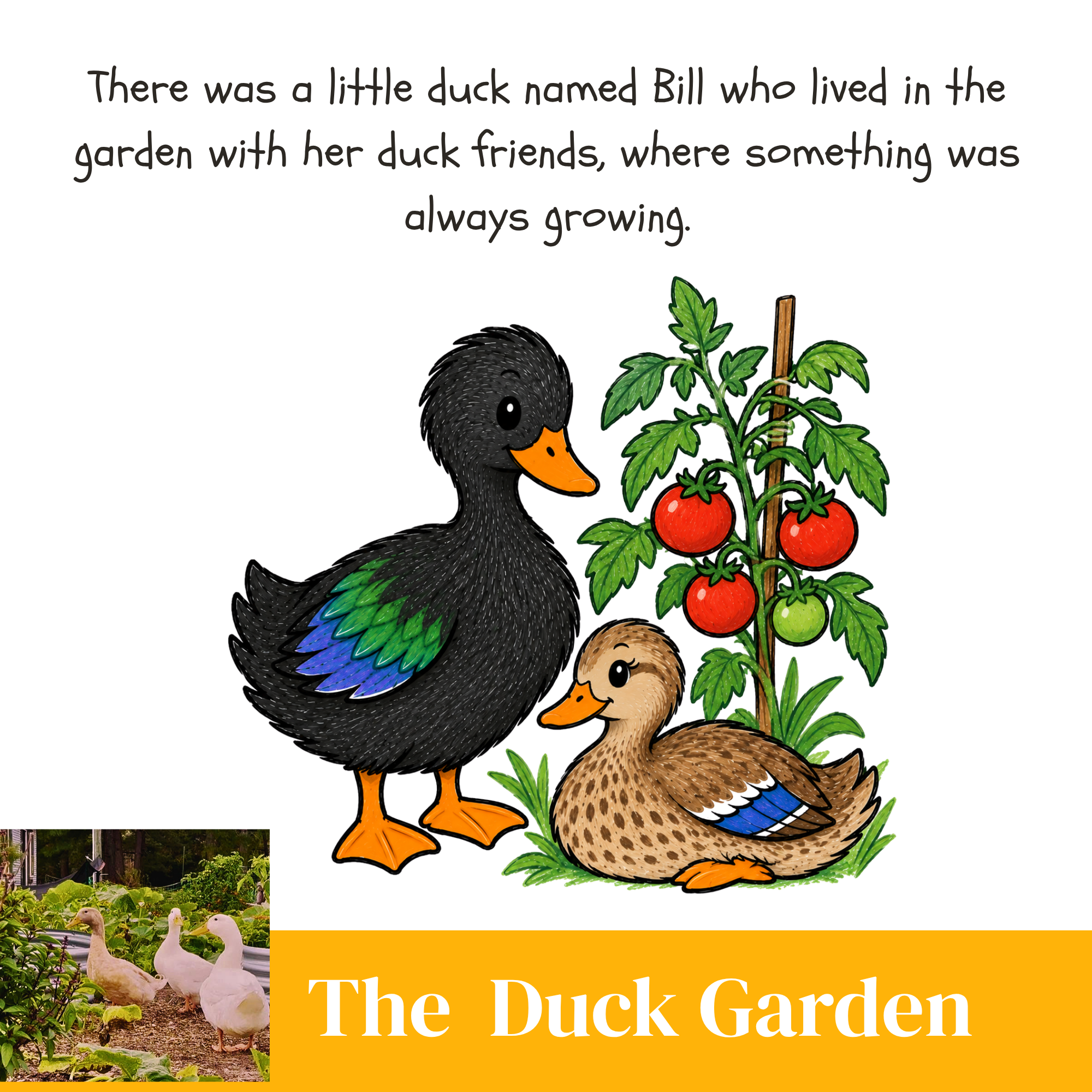
The Duck Garden: Fall Is for Planting
Follow the ducks of Rainbow Connection Farm through seasonal gardening, sustainable growing, garden tips, animal care, accessibility, and life in the Duck Garden.
The Duck Garden: Nothing Really Goes Away
Follow the ducks of Rainbow Connection Farm through seasonal gardening, sustainable growing, garden tips, animal care, accessibility, and life in the Duck Garden.