Ending Factory Farming One Paperclip at a Time: The Truth About "Cheap Bacon" (Copy)
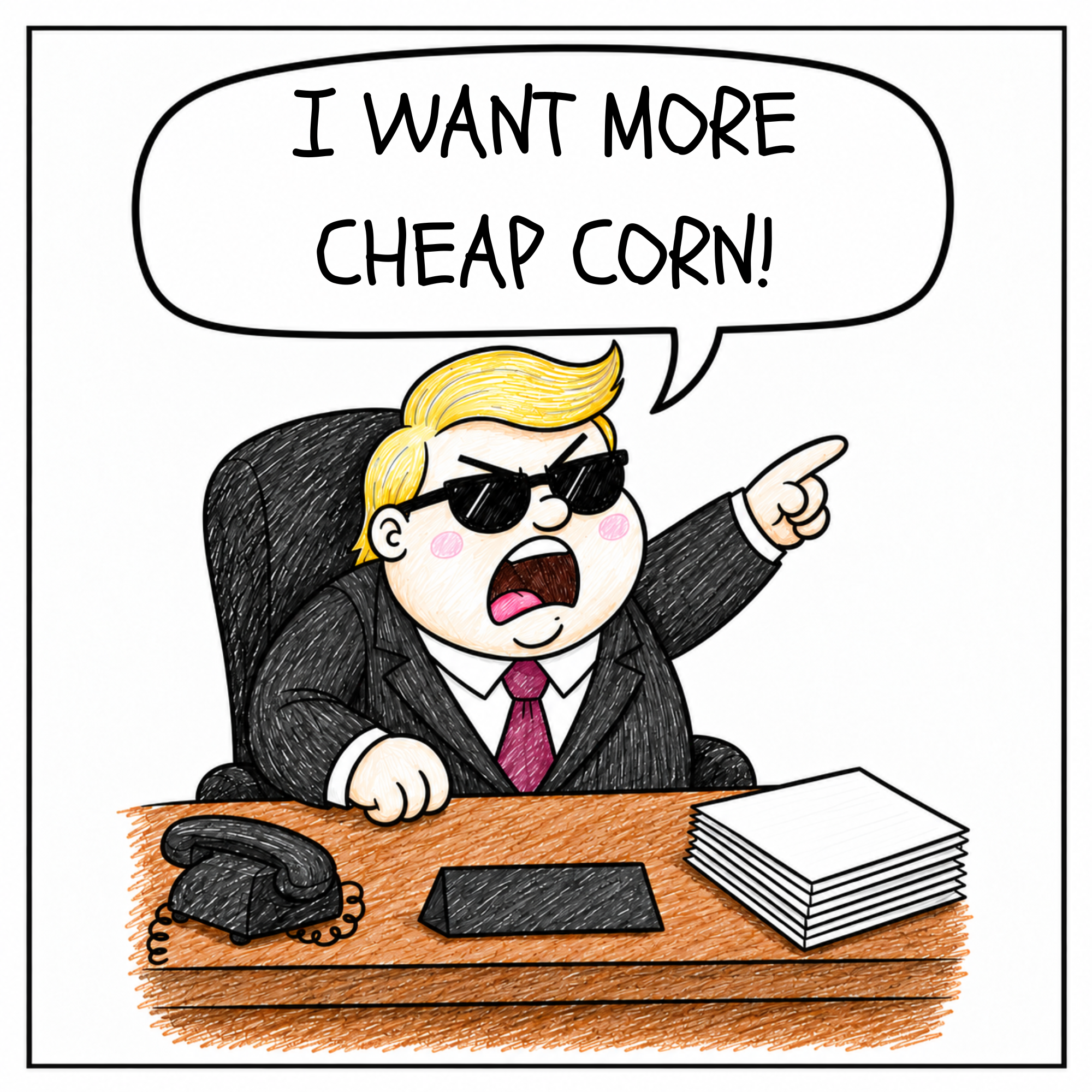
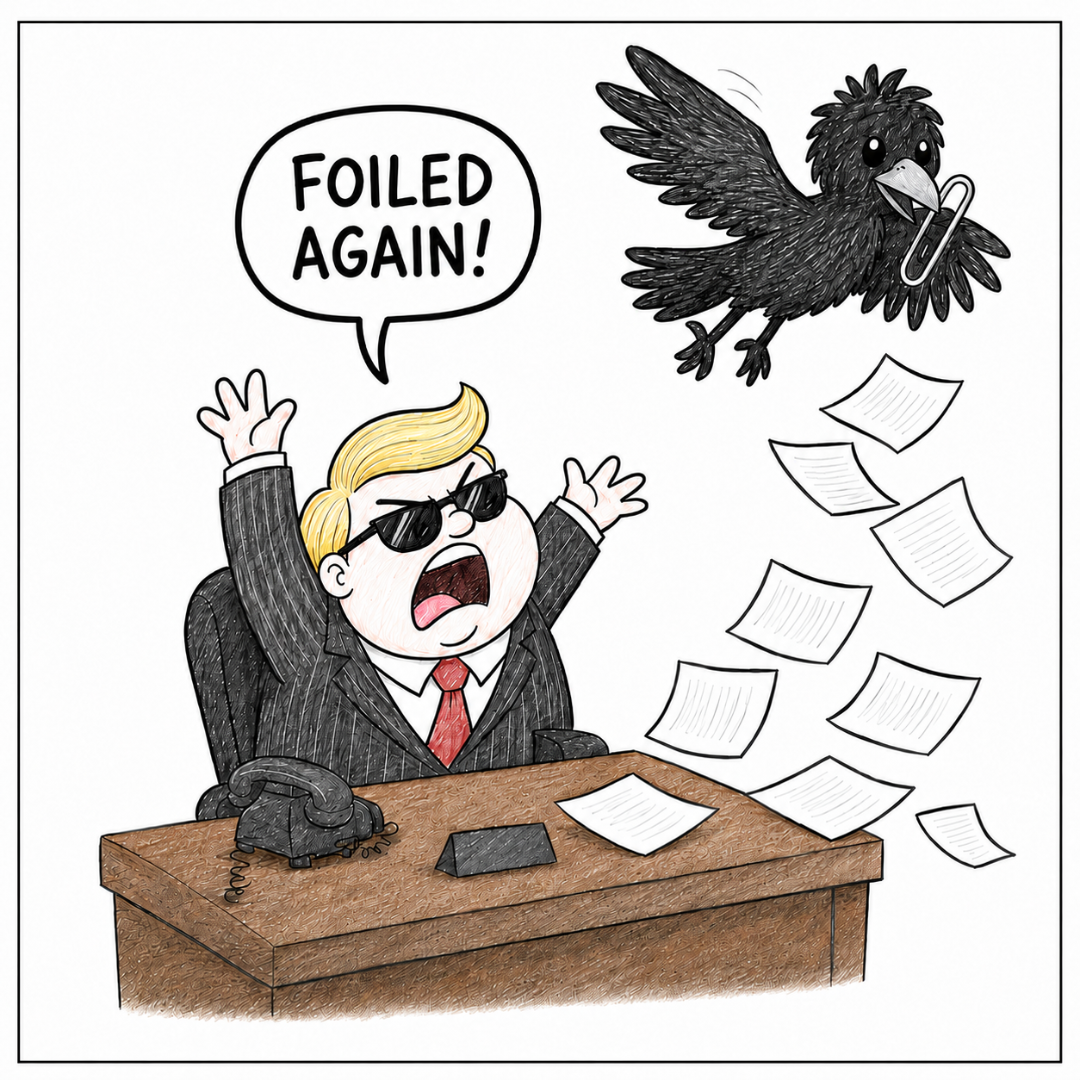
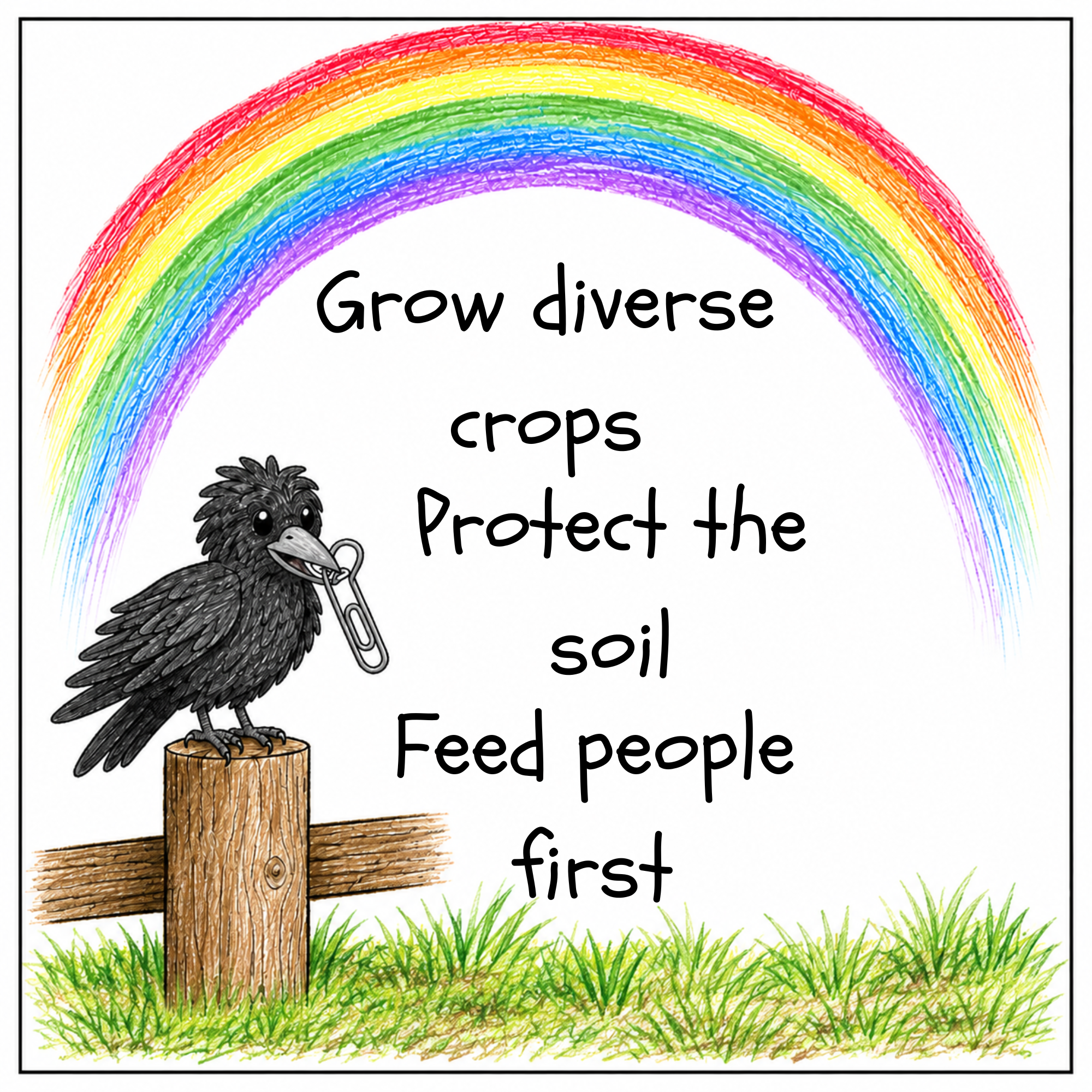
TThis week's Paperclip Crow comic catches our favorite thief mid-heist again, swooping in to steal the paperclip off another one of the executive's harmful plans. This time, the plan on the table was factory corn farming — and the details behind that stack of papers are worth slowing down on.
The Plan Behind the Punchline
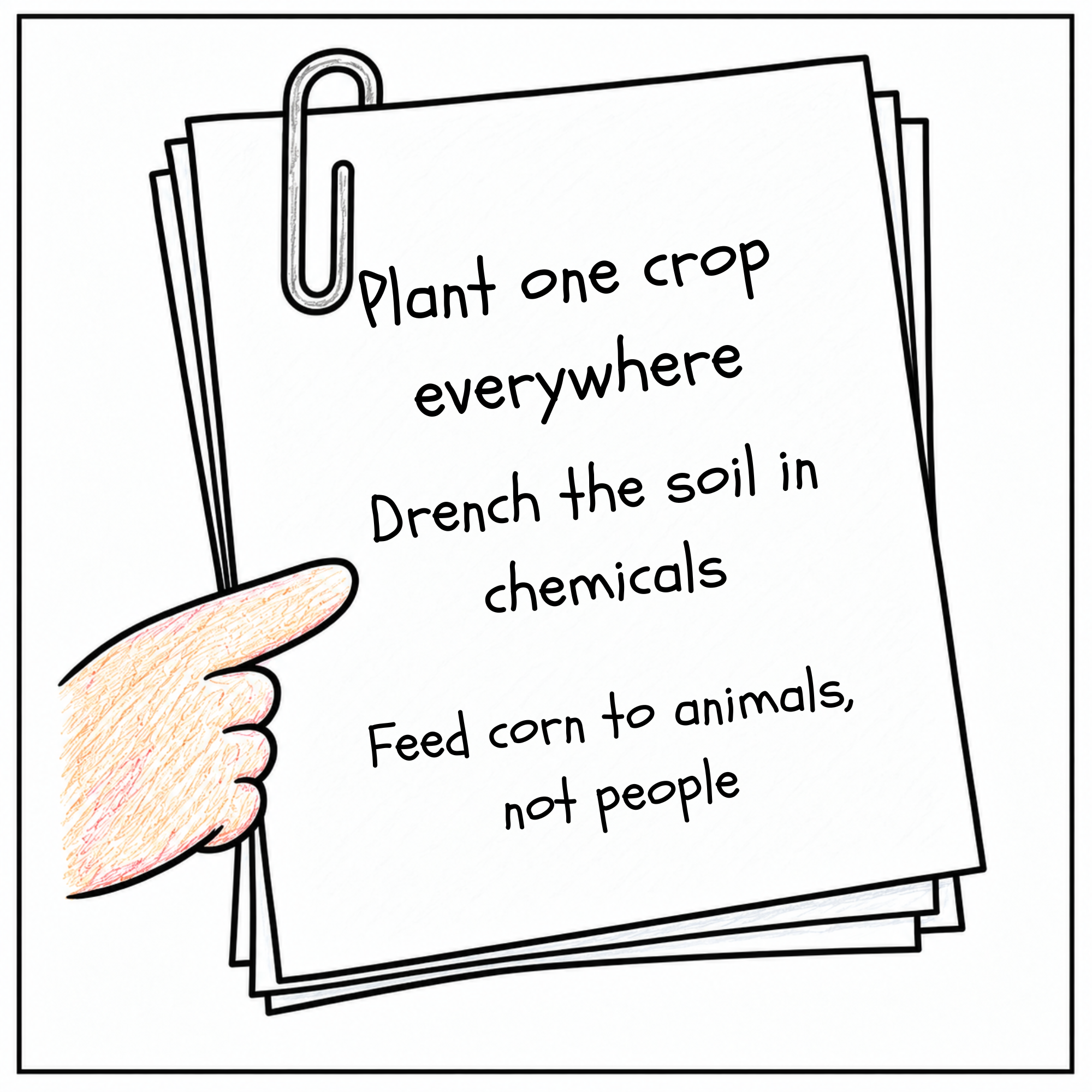
The comic is silly on purpose. A cartoon executive in sunglasses demanding "more cheap corn" is funny precisely because it's not that far from the truth. Behind a lot of the corn grown in this country is a business plan with three simple, profit-driven steps: plant one crop everywhere, drench the soil in chemicals, feed most of it to animals instead of people.
That's not exaggeration for comic effect — it's a fair summary of how industrial corn farming actually operates. Here's what those bullet points mean in real life.
Plant one crop everywhere. Drive through almost any part of the rural Midwest and you'll see it — corn, corn, and more corn, planted fencerow to fencerow, the same single crop across millions of acres that used to hold a much wider mix of plants.
Drench the soil in chemicals. That kind of monoculture wears a field down fast. The same crop, pulling the same nutrients out of the ground year after year, means more synthetic fertilizer and more pesticide just to keep the soil producing at all.
Feed it to animals, not people. Most people hear "corn" and picture something on their own plate. But the majority of the U.S. corn crop never gets close to a dinner table — it goes to livestock feed, ethanol, and processed ingredients instead.
Why This Matters to Us
At Rainbow Connection Farm, we don't have to imagine what a different relationship with the land looks like — we get to tend it every day. In the Duck Garden, Ruth Stout and Irie do the opposite of monocropping on purpose: mixed plantings, hay mulch instead of tilling, soil that gets to rest and rebuild instead of getting stripped bare by the same crop season after season.
That contrast is the whole point of the Crow. We're not trying to make anyone feel guilty over a bag of tortilla chips. We're trying to pull back the curtain on a system most people never get to see, so the choices we make — big or small — are informed ones.
The Better Way
The comic ends the way it always does: not with despair, but with a nudge toward something better. A few ways to push back against the factory-farm plan, in order of how big a step they are:
Grow diverse crops. Rotation and variety keep soil productive for decades instead of wearing it out in a few seasons — something even a small home garden can practice.
Protect the soil. Less tilling, more mulch, fewer chemical inputs — soil that's cared for keeps giving back.
Feed people first. Choosing foods made from corn grown for direct human use, and supporting farms that grow a mix of crops instead of just one, both take pressure off the system this comic is pointing at.
None of these require perfection. They just require paying attention — which, honestly, is what the crow's been doing this whole series.
One Paperclip at a Time
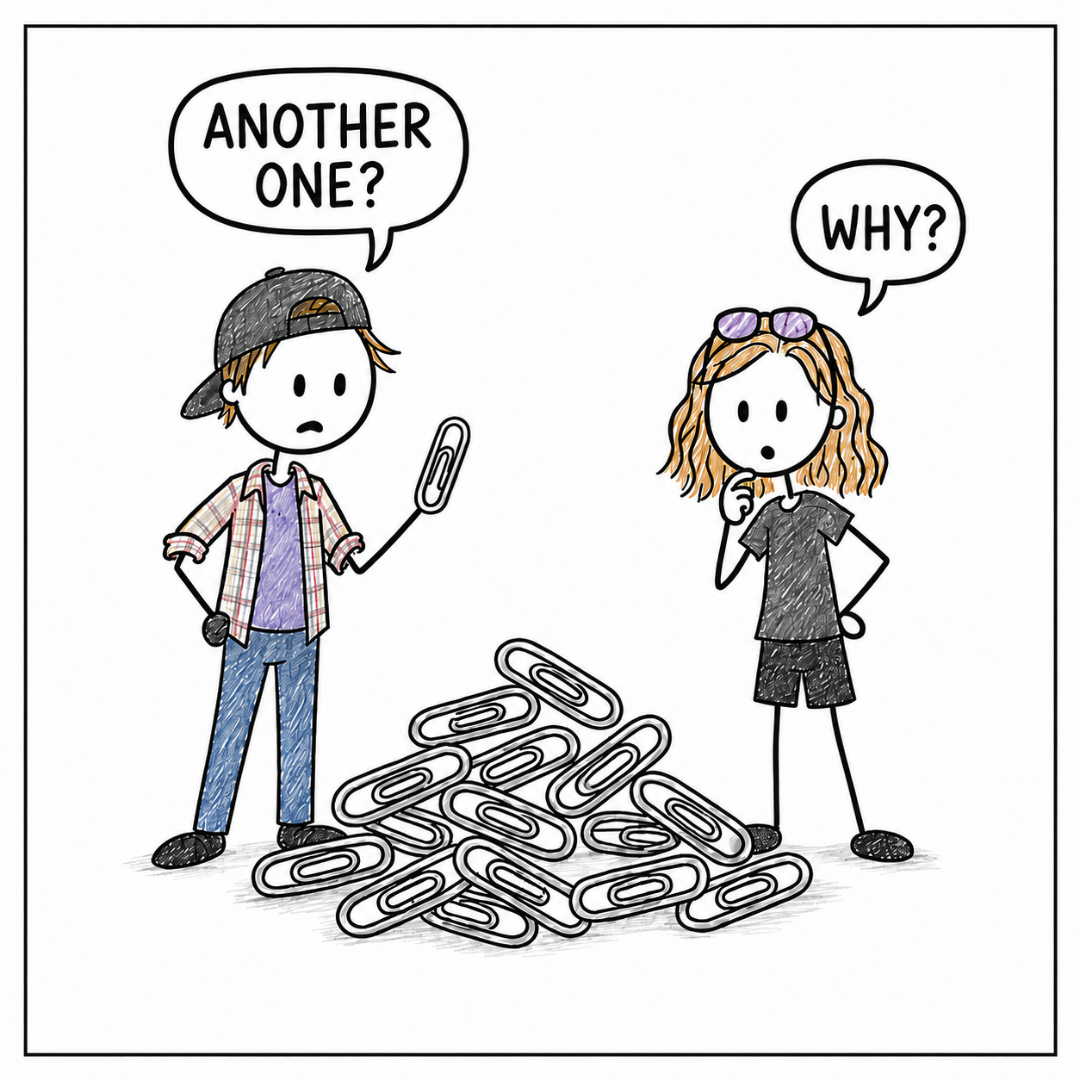
Every week, the crow steals one more paperclip off one more harmful plan. It's a small, silly image for a genuinely big idea: change doesn't have to come all at once. It comes one better choice, one informed reader, one healthier acre of soil at a time.
If this week's comic and this post gave you something to think about, that's the goal. You don't have to overhaul your whole pantry to make a difference — something as simple as asking where the corn in your food came from is its own small paperclip pulled from the pile.
Come wander through the Duck Garden with us sometime — virtually, of course. Ruth Stout's got opinions about soil she'd love to share.
#EndFactoryFarming
