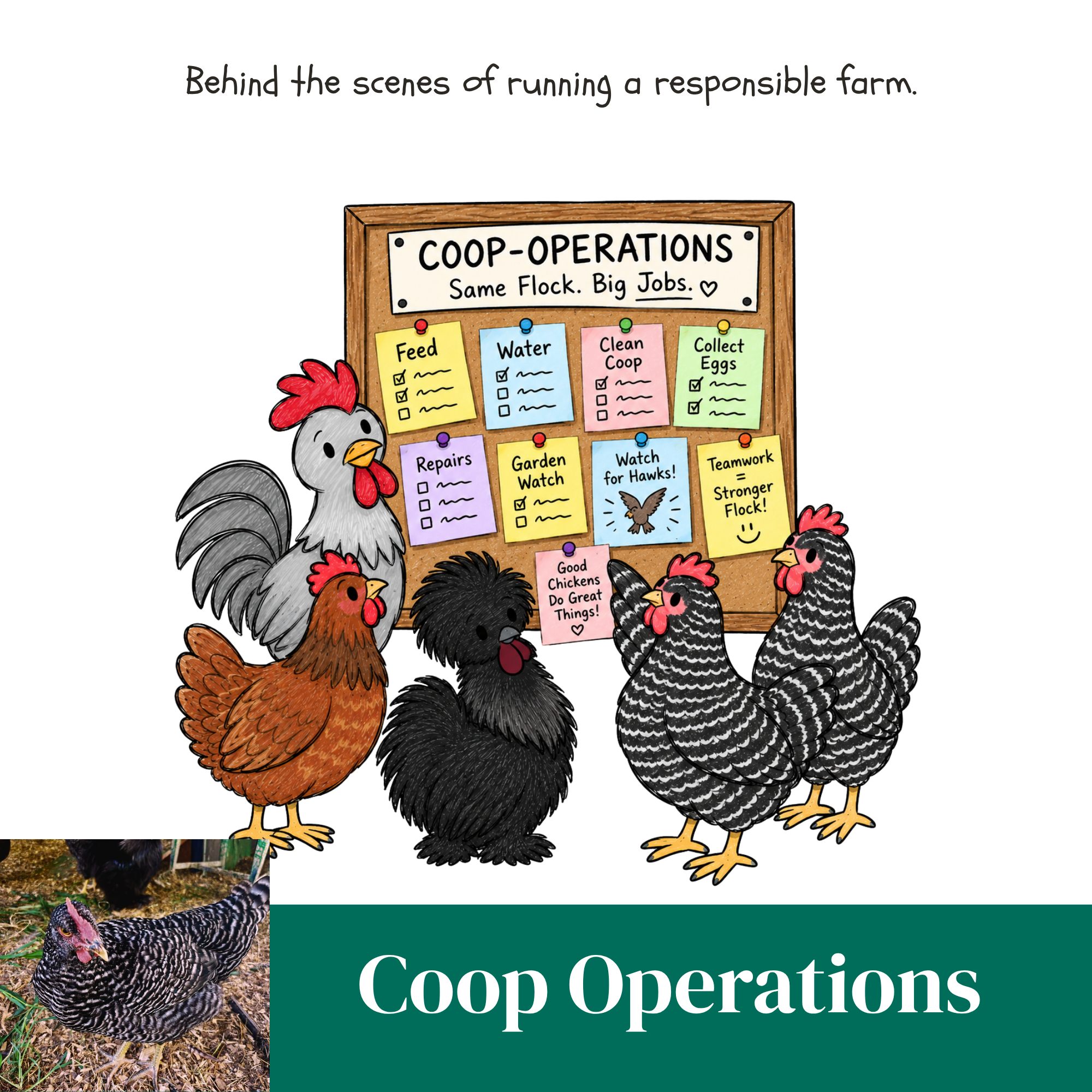
Welcome to Coop Operations
Roo may be little, but running a farm is a big job. Coop Operations takes you behind the scenes to see the feeding, cleaning, fixing, planning, problem-solving, and occasional emergencies that keep Rainbow Connection Farm running—because cooperation gets the job done.
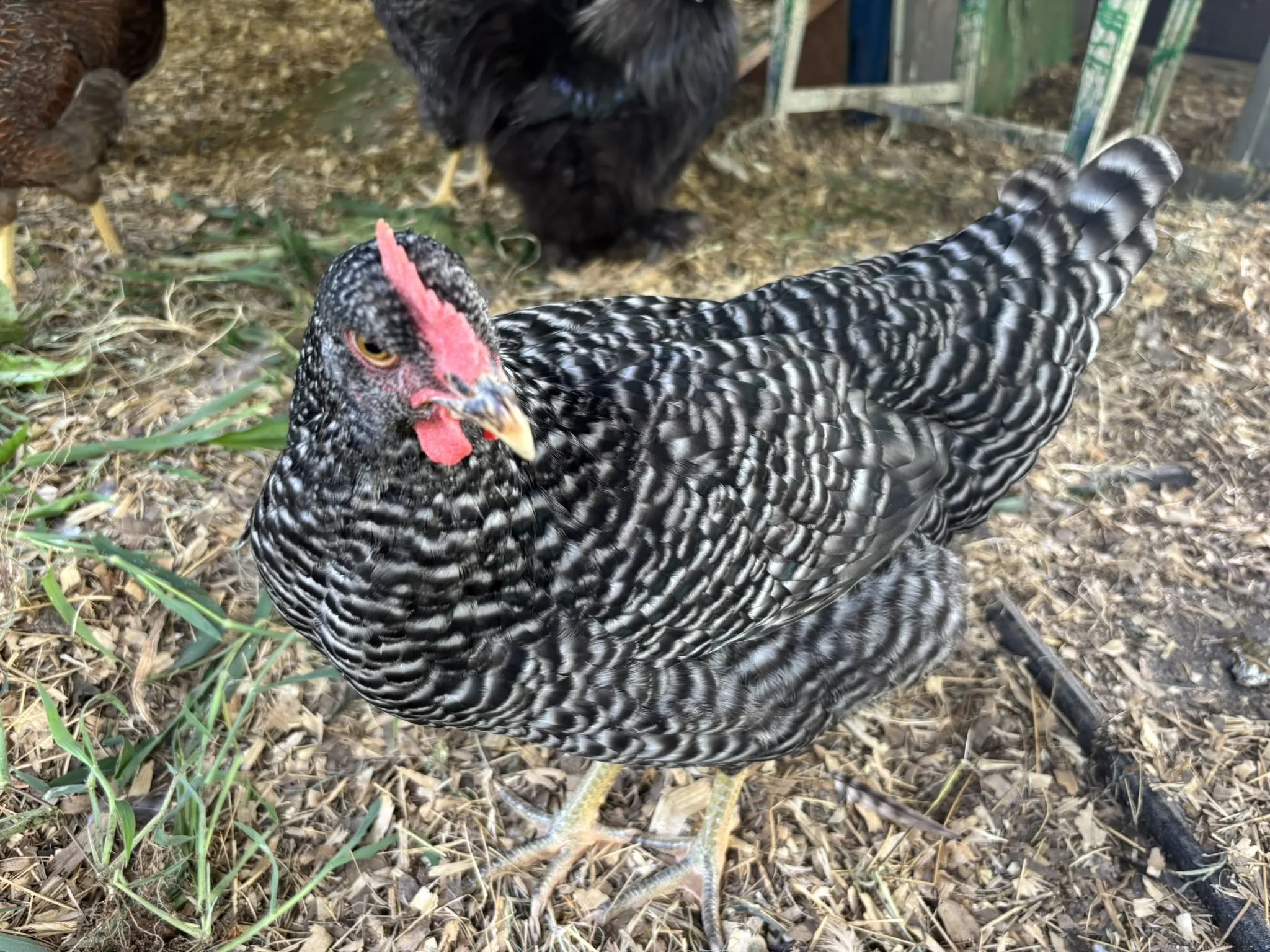
Sipsey
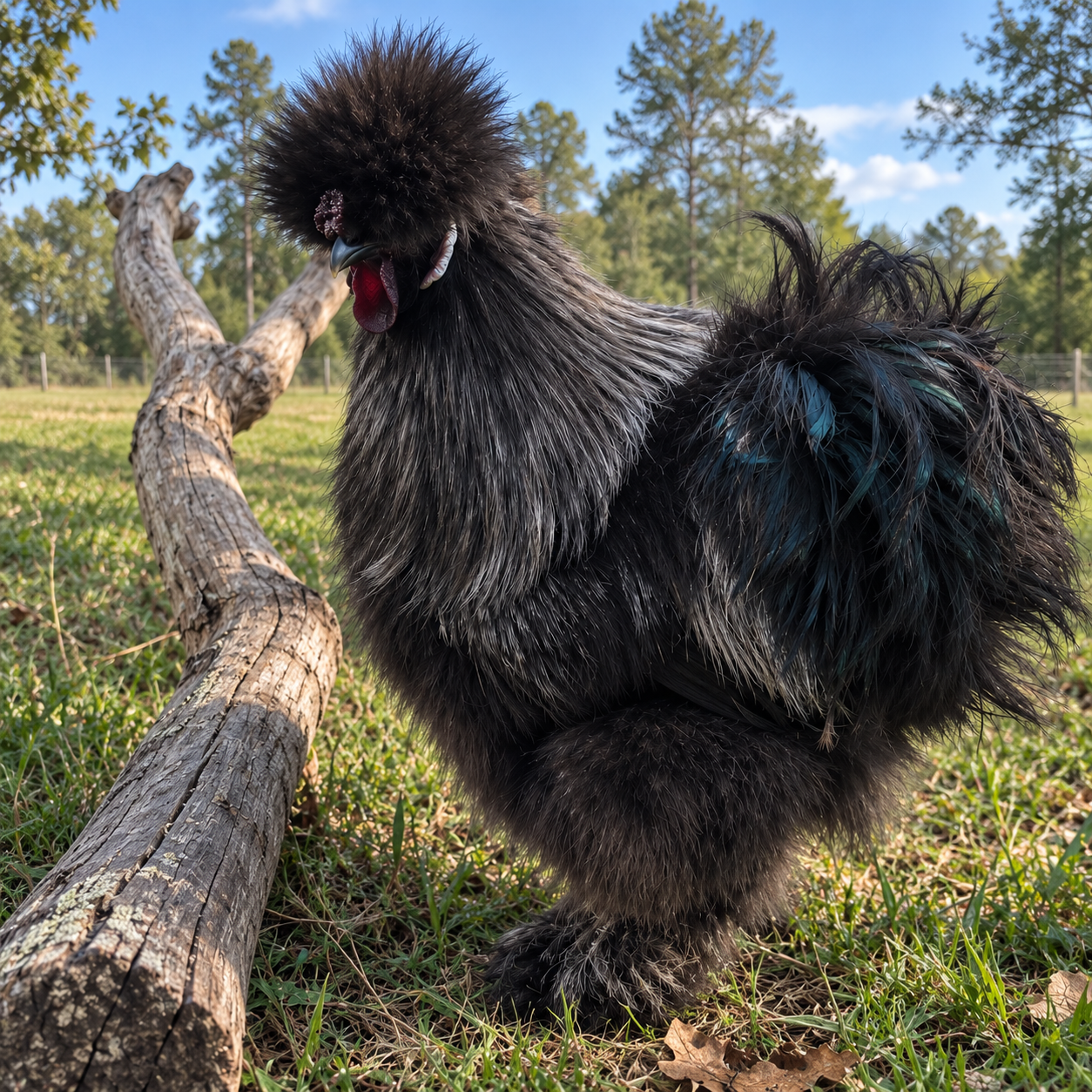
Roo (Silkie Rooster)
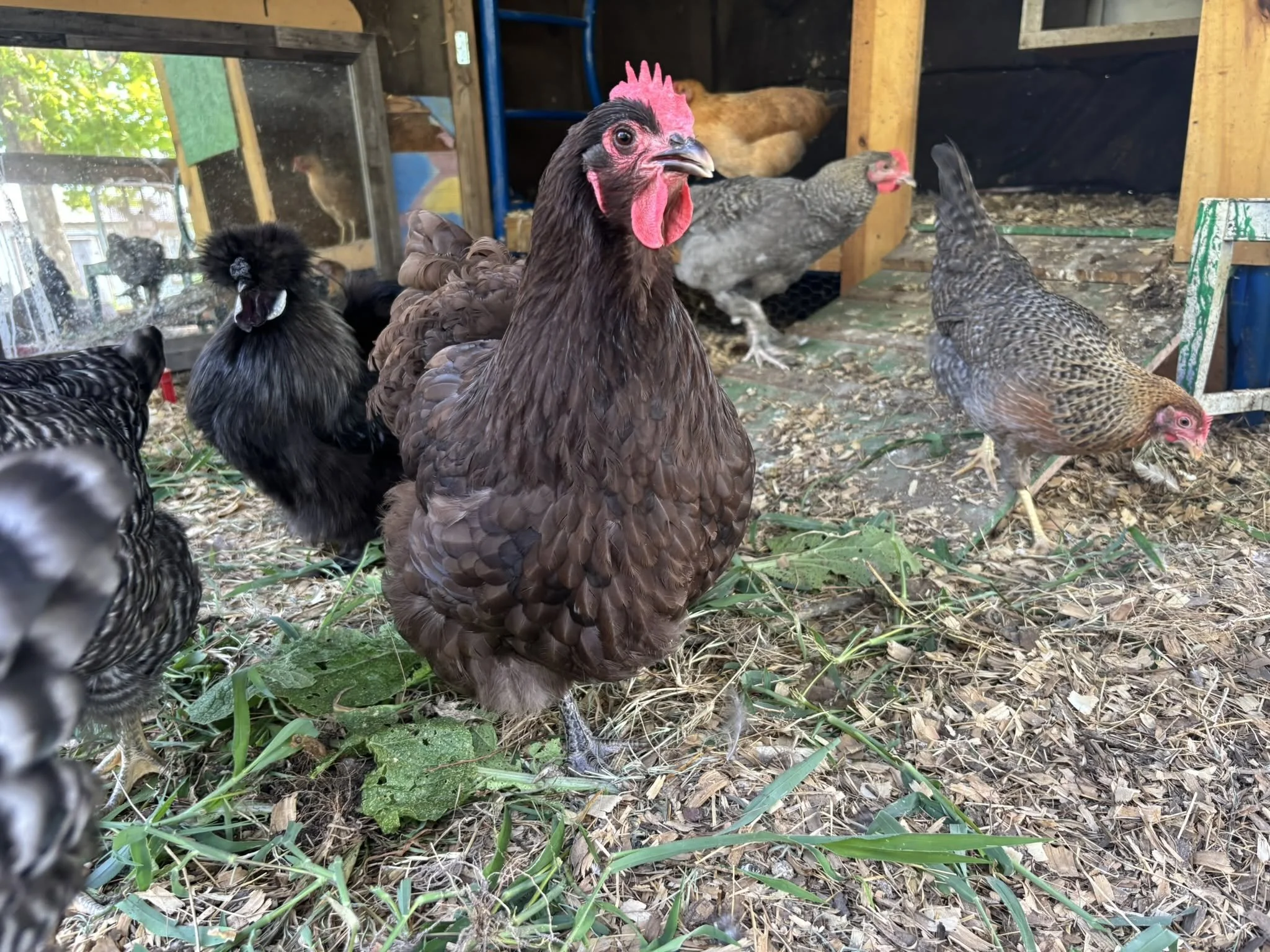
Prudence
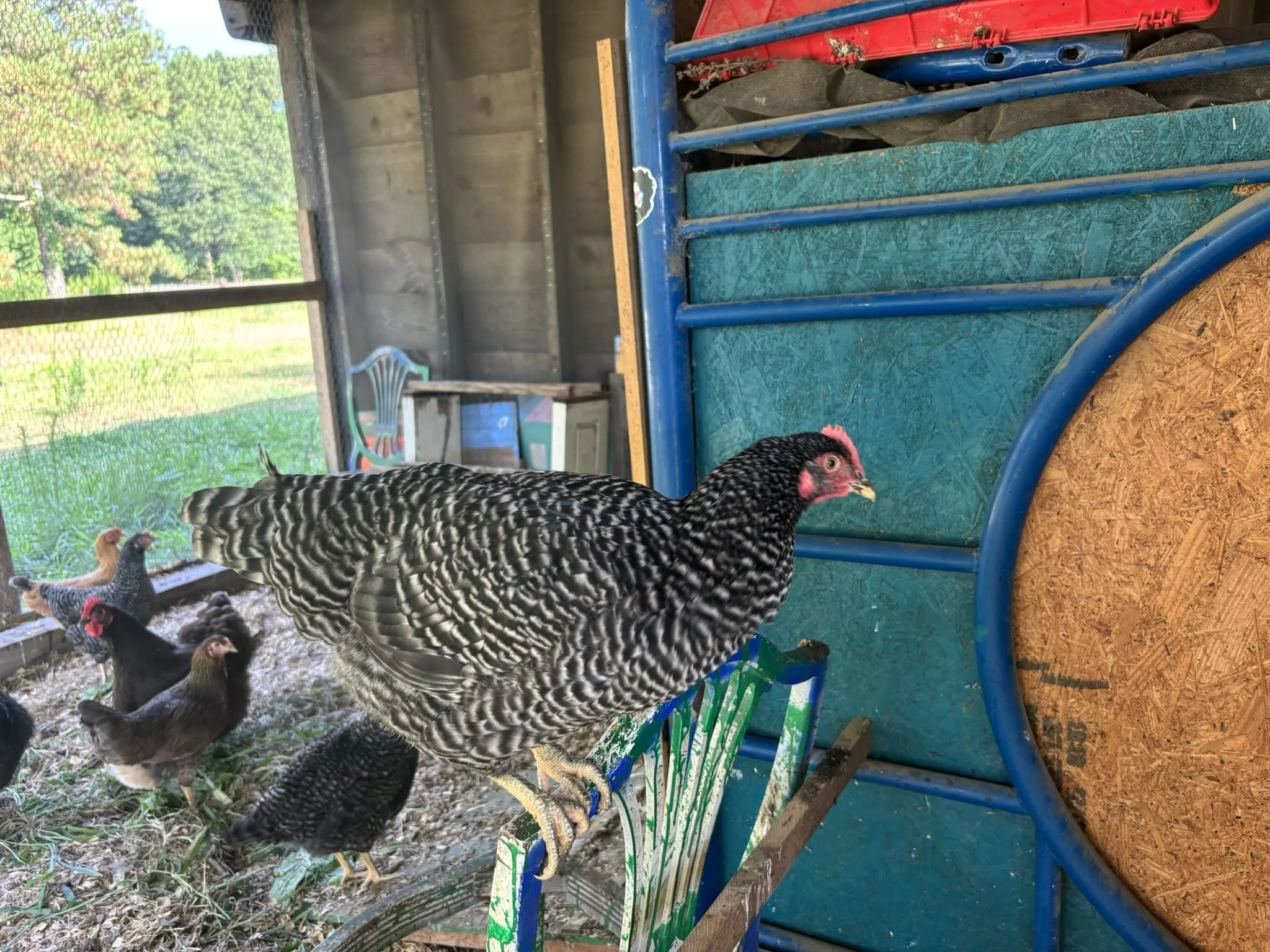
Tawanda
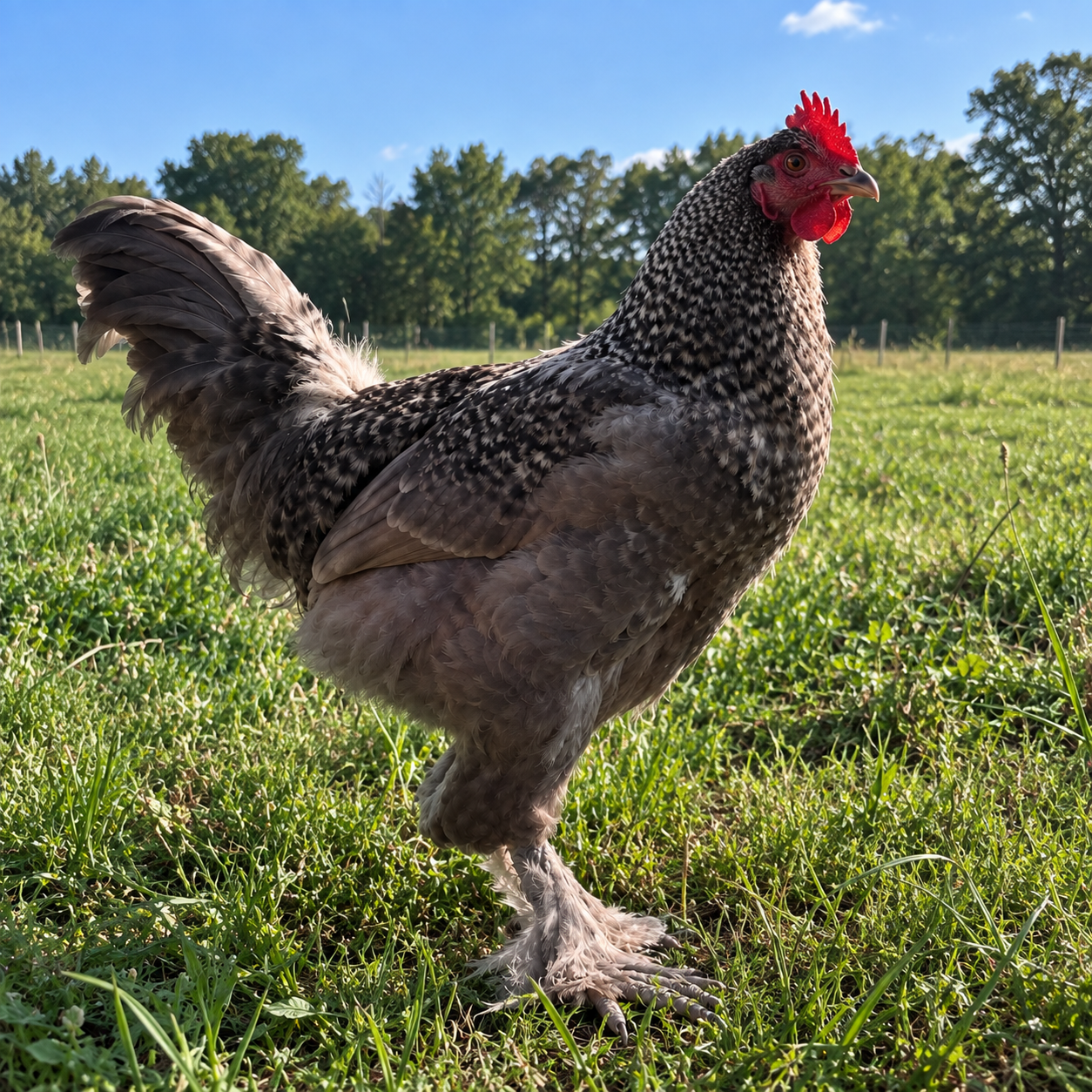
Donna the Buffalo (Rooster)
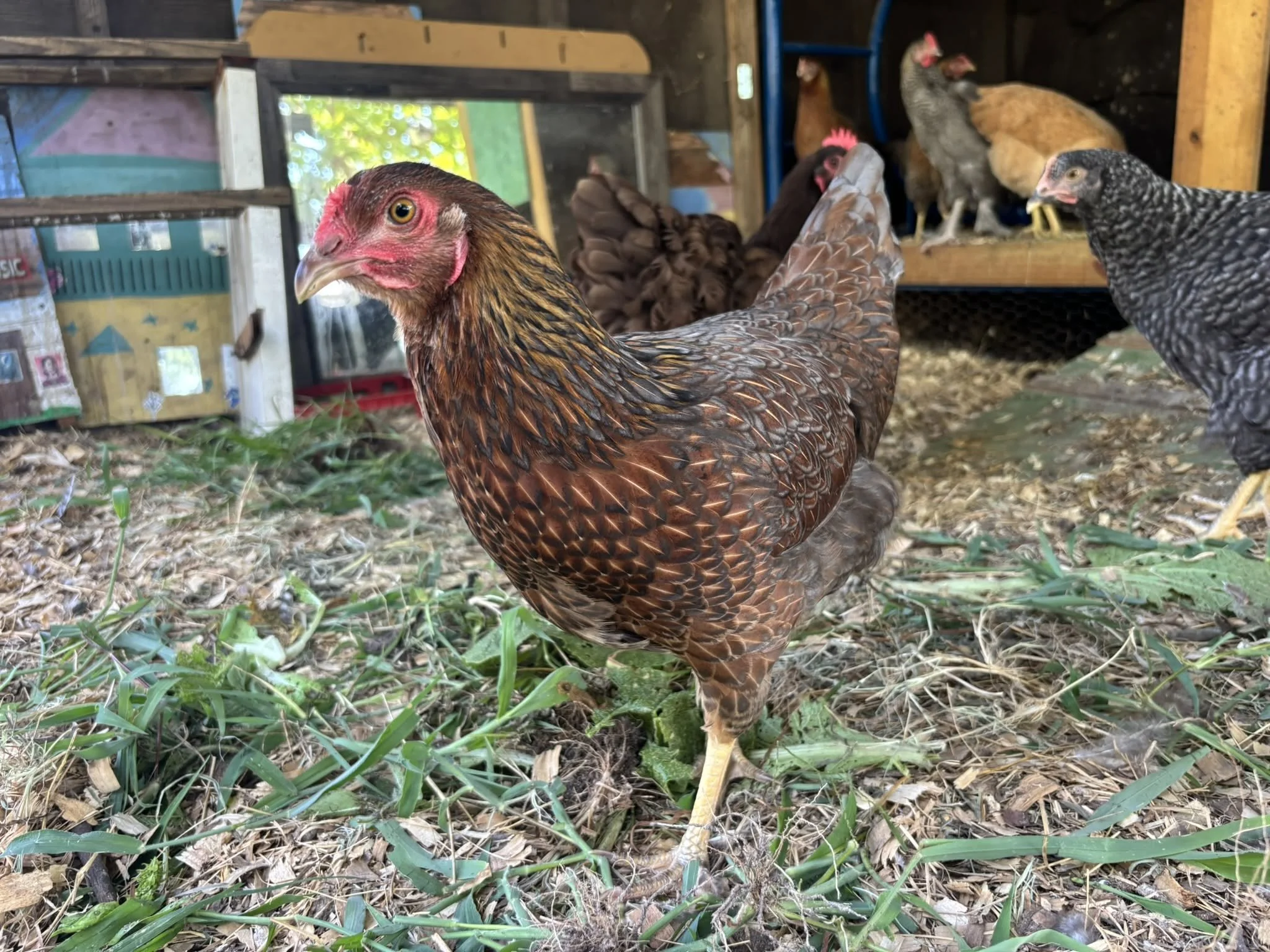
Stella
CARE & FEEDING OF CHICKENS
Keeping the flock happy, healthy, and busy.
Chickens may look like easy farm animals, but a healthy flock needs good food, clean water, safe housing, companionship, and daily attention. They are curious, social animals with individual personalities—and they are very good at letting you know when something isn't right.
FOOD
Chickens need a nutritionally complete feed appropriate for their age and life stage. Laying hens also need access to calcium, often provided through oyster shell. Treats, vegetables, garden scraps, and bugs can add variety, but they shouldn't replace balanced chicken feed. Chickens also need grit when they eat foods other than commercial feed so their digestive systems can properly break down food.
WATER
Fresh, clean water should always be available. Chickens can dirty a waterer surprisingly quickly, so it needs to be checked every day—and often more than once during hot weather. In winter, water needs to be kept from freezing.
HOME
A good coop provides a dry, well-ventilated place to sleep, protection from weather, nesting boxes for laying hens, and enough roosting space for the flock. Outside, chickens need room to scratch, dust bathe, forage, stretch their wings, and simply be chickens.
HEALTH
Spend time looking at your flock every day. Changes in eating, drinking, walking, breathing, droppings, egg production, feathers, or behavior can be early signs that something is wrong. Chickens also need protection from parasites and access to appropriate veterinary care when they are sick or injured.
FRIENDS & ENRICHMENT
Chickens are flock animals and generally shouldn't live alone. They establish friendships and social relationships and communicate constantly. Give them places to scratch and forage, safe things to investigate, dust-bathing areas, perches, and enough space to get away from one another when they want to.
THE PART OLD MACDONALD LEFT OUT
The eggs aren't the whole story.
Hens don't stop needing food, housing, protection, and medical care when their egg production slows. Roosters need safe homes too. And every chicken needs daily care whether you're collecting six eggs that morning or none at all.
At Rainbow Connection Farm, that's what Coop Operations is really about: the everyday work behind keeping the whole flock safe and cared for.
Same flock. Big jobs.
COOP OPERATIONS: THE BUSINESS OF HOOVES
One farrier visit a year. Three hundred sixty-four days of Britt doing it herself. This week on Coop Operations: what it actually takes to keep hooves healthy on a sanctuary farm — the bruises, the belly rubs, and the two-person teamwork behind every trim. Read the full story on the blog — link in bio.
#RainbowConnectionFarm #CoopOperations #SanctuaryFarm #FarmLife
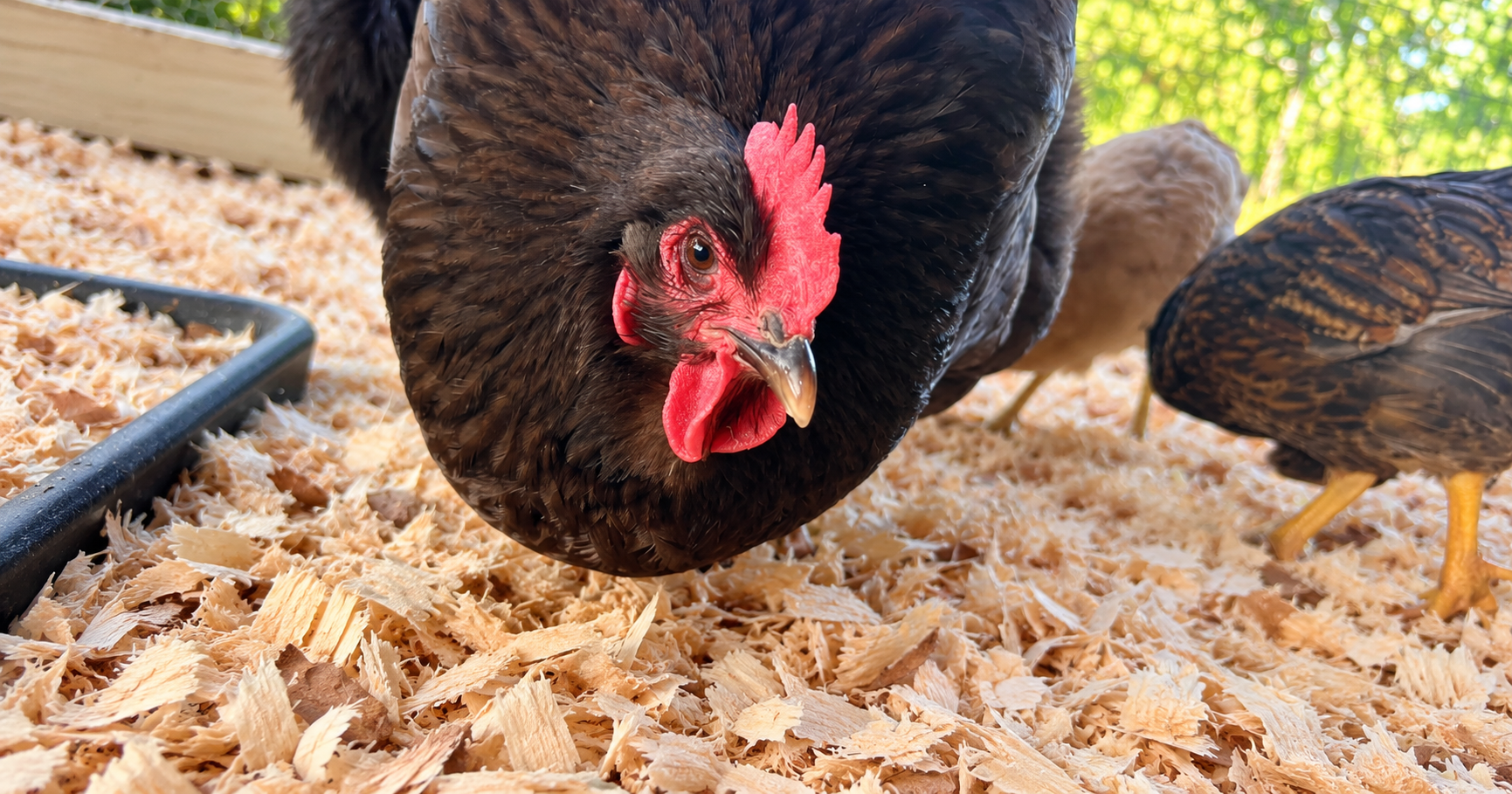
COOP OPERATIONS: THE GREAT PINE SHAVINGS ECONOMY
New shavings day might be our favorite day of the month. 🐔 This week on Coop Operations: what it actually takes to keep four different animal areas bedded, dry, and comfortable — the math, the mess, and where it all ends up (hint: the garden thanks us later). Read the full breakdown on the blog — link in bio.
#RainbowConnectionFarm #CoopOperations #SanctuaryFarm #FarmLife
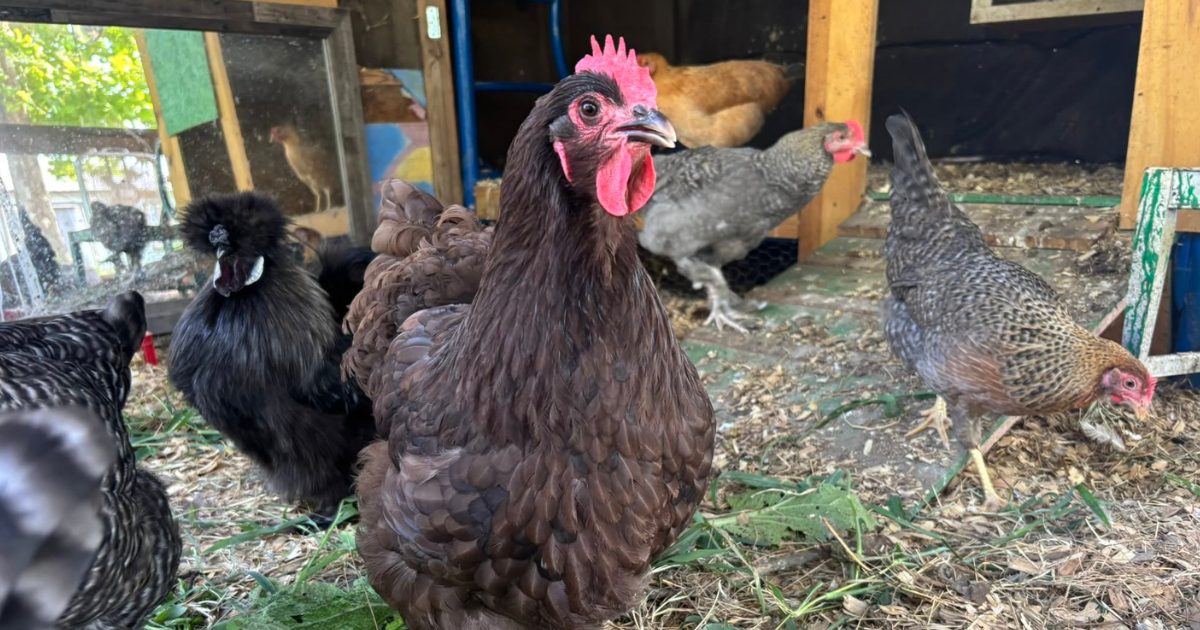
COOP OPERATIONS: WHY THE FENCE ALWAYS WINS
It's 5:47 in the morning, we haven't even finished breakfast, and Donna the Buffalo is already lecturing everyone about fence posts. Again.
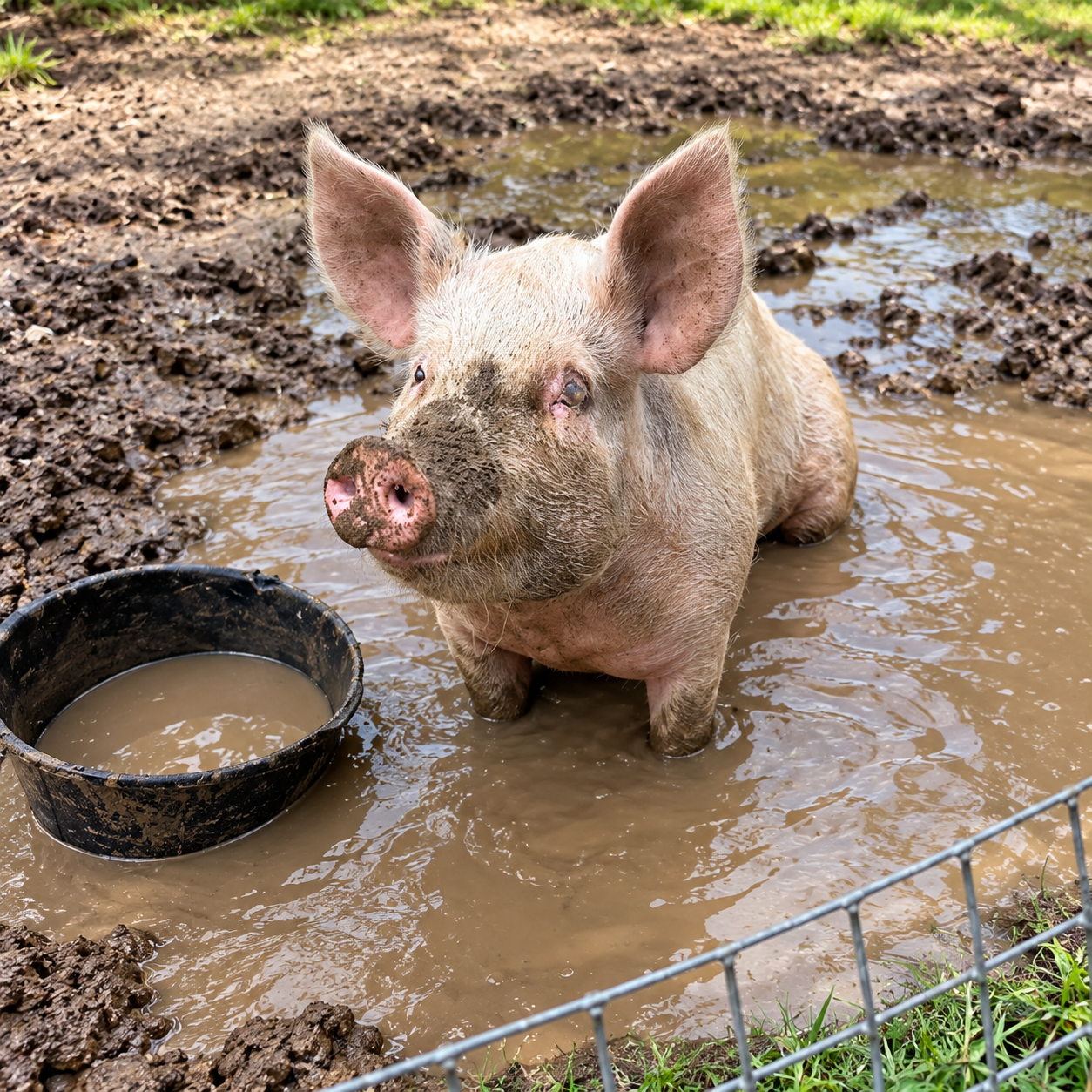
COOP OPERATIONS: 35 ANIMALS MEANS A LOT OF FOOD
From water buckets to mud pits a farm uses lots of water! Today the chickens share the story of our water hose at RCF.